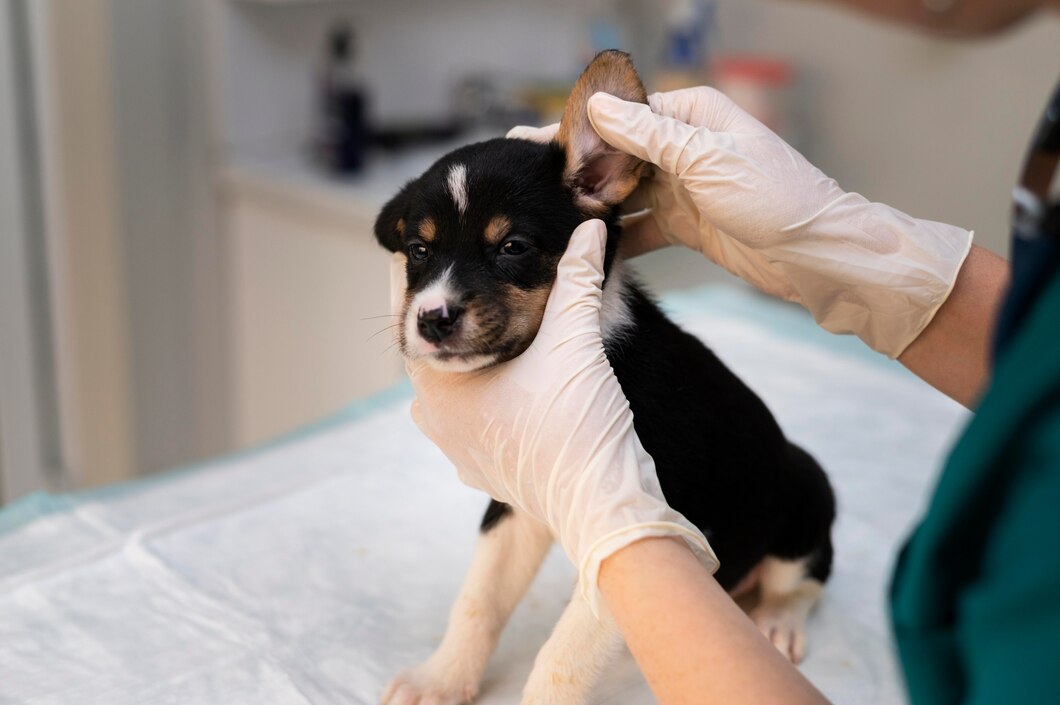
There is a common assumption among pet owners here that once the peak summer heat starts to ease off toward the end of September, the risk of fleas and ticks eases off with it. It makes sense on the surface, since in a lot of other countries flea and tick season is closely tied to a clear seasonal pattern, ramping up in spring and tapering off as temperatures drop in autumn. The problem is that the UAE does not really follow that pattern, and treating it like it does is exactly how a lot of pets end up with a preventable infestation right around this time of year. Extreme desert heat does not eliminate fleas and ticks the way many owners assume, since these parasites have adapted well to local conditions, finding shelter in shaded gardens, humid pockets around irrigation, and the temperature controlled comfort of our own homes. What actually happens locally is almost the opposite of what people expect. The cooler months that follow summer tend to be prime time for tick activity, and September sits right at the start of that shift, which makes it one of the more overlooked risk windows of the year rather than a safe gap between seasons. In this post I want to explain why the UAE’s flea and tick pattern is different from what most owners have read online, what to actually watch for on your pet right now, and why consistent prevention matters more here than the “seasonal” framing most flea treatment packaging implies.
Why the UAE Does Not Follow a Normal Flea Season
Most flea and tick information available online is written for climates with a genuine cold winter, where a hard freeze kills off most of the active parasite population and creates a real off season. The UAE simply does not get that kind of climate reset. Fleas and ticks here are better described as a year round risk that fluctuates in intensity rather than one that switches off completely. Community parks and green spaces, while great for exercise, also create favorable breeding conditions for these parasites, and that risk does not disappear just because the calendar says the hottest months are behind us.
Why September Specifically Matters
September in the UAE is a transition month. Daytime heat is still intense, but evenings are starting to cool slightly, humidity patterns shift, and a lot of people are back from summer travel and returning to regular walks, park visits, and outdoor routines with their pets after weeks of staying indoors during peak heat. This combination, more outdoor activity plus the early edge of the cooler season pattern, is exactly the kind of overlap that catches owners off guard. If your pet’s flea and tick prevention lapsed over summer because you assumed the heat was handling it, September is when that gap tends to catch up with you.
Signs of Fleas Owners Often Miss
- Small dark specks in your pet’s fur that look like dirt, often called flea dirt, especially near the base of the tail
- Excessive scratching, particularly around the neck, ears, and lower back
- Small scabs or bumps on the skin, sometimes mistaken for general irritation
- Restlessness or grooming more than usual, particularly in cats who may hide the itching better than dogs
- Visible small dark insects moving quickly through the fur, especially near the belly
Signs of Ticks Owners Often Miss
- A small, firm bump on the skin that was not there before, which may be an attached tick rather than a random lump
- Head shaking or scratching at the ears, since ticks often attach around the ears and neck
- Lameness or reluctance to move normally, which can be a sign of tick borne illness rather than a joint issue
- Unexplained low energy or reduced appetite over a few days, sometimes the only visible sign of a tick related infection
If you notice any of the tick related signs above, especially lameness or lethargy without an obvious cause, it is worth having your pet checked with a vet for dog and cat rather than waiting to see if it resolves on its own, since some tick borne conditions can become serious if left untreated.
Why Consistent Prevention Matters More Than Seasonal Treatment
A lot of owners think of flea and tick prevention the way they think of sunscreen, something you use heavily in the hottest months and ease off once the weather shifts. Given how the UAE’s parasite risk actually behaves, this approach leaves a real gap in protection right when people are easing off, not when the risk is lowest. Year round, consistent prevention, applied on schedule regardless of season, is the approach that actually holds up here, and this is worth discussing directly during a routine wellness exam so your pet’s prevention plan matches how they actually live day to day, including how much time they spend at parks, on walks, or around other animals.
What to Do If You Find Fleas or a Tick on Your Pet
For fleas, a proper flea treatment recommended by your vet, along with washing bedding and vacuuming areas your pet frequents, is the right approach rather than relying on home remedies that often do not fully break the flea life cycle. For a tick, it is important to remove it correctly, close to the skin and without twisting or crushing it, since improper removal can leave part of the tick embedded or increase the risk of infection. If you are not confident doing this yourself, it is better to have it removed professionally than risk doing it incorrectly.
A Good Habit Going Into the Cooler Months
Since the shift into cooler weather is exactly when tick activity tends to pick up locally, this is a good point in the year to do a proper check of your pet’s current prevention product, confirm it is still within its effective window, and run your fingers through their coat regularly, particularly around the ears, neck, and base of the tail where parasites tend to attach first. A quick weekly check takes a couple of minutes and catches most issues long before they become a bigger problem.
Frequently Asked Questions
Do indoor only pets need flea and tick prevention in the UAE?
Yes. Fleas and ticks can be brought inside on clothing, shoes, or other pets, and indoor environments here often stay warm enough year round to support flea activity even without direct outdoor exposure.
Is it true that heat kills fleas, so summer should be the safest time?
Not entirely. While extreme heat does affect parts of the flea life cycle, fleas find shaded and climate controlled spaces to survive, meaning summer heat alone does not eliminate the risk.
How often should flea and tick prevention be applied?
This depends on the specific product used, but consistency matters more than the exact interval, since gaps in coverage are when pets are most vulnerable.
Can fleas or ticks affect humans in the household?
Fleas can bite humans, though they prefer animal hosts, and some tick borne diseases can potentially affect people as well, which is another reason to address an infestation quickly rather than assume it is only a pet issue.
My pet seems fine, do I really need to check for ticks regularly?
Yes, since ticks can attach without causing obvious discomfort right away, and some tick borne illnesses take days to show symptoms, by which point the tick may have already been attached for some time.
What is the best way to prevent reinfestation after treating my pet?
Treating your pet alone is often not enough if the home environment has fleas present, so washing bedding, vacuuming regularly, and treating the surrounding environment alongside your pet gives a much better result.
Keep Your Pet Protected Going Into the Cooler Months
If it has been a while since your pet’s flea and tick prevention was reviewed, or you have noticed any of the signs above, do not wait for symptoms to worsen. Book an appointment with our team, or contact us if you want advice on the right prevention plan for your pet’s lifestyle.