Moving to a new country is stressful enough without adding “figure out my pet’s paperwork” to the list yet for thousands of people relocating to the UAE every year, that’s exactly the situation. Between conflicting advice on forums, outdated blog posts written for other Gulf countries, and airline requirements that don’t quite match government requirements, it’s easy to end up confused about what your dog or cat actually needs before, during, and after the move. Get it wrong, and you risk your pet being held at the airport, quarantined, or in the worst case, refused entry entirely all of which is avoidable with the right preparation done early enough. The UAE has become considerably more pet-friendly in recent years, but the process still involves several strict, sequenced steps: an import permit, a microchip, specific vaccinations completed within exact timeframes, and in some cases a blood titer test depending on your country of origin. None of these steps can be rushed at the last minute several have mandatory waiting periods measured in weeks, not days. This guide walks through the full process in the order you’ll actually need to do it, what typically trips people up, and what to expect once you and your pet land in Sharjah, including the local vet visit that should happen in your first week to make sure everything is properly on record here. If you’re planning a move in the next few months, start here.
Step 1: Get an Import Permit Before You Book Flights
Before your pet can enter the UAE, you’ll need an import permit issued by the UAE Ministry of Climate Change and Environment (MOCCAE), applied for online, typically no more than 1 month before travel. This step alone catches a lot of people off guard, since it means your pet’s paperwork timeline needs to start well before your own visa or flight is finalized. The permit requires your pet’s microchip number and vaccination records, so those need to be in place first which is why this process really needs to start 2–3 months ahead, not 2–3 weeks.
Step 2: Microchipping
Your pet must have an ISO-compliant microchip implanted before any of the required vaccinations are administered, since every vaccine and test result on official paperwork needs to be linked to that specific chip number. If your pet was chipped years ago in a different country, double check the chip is ISO 11784/11785 compliant older or non-standard chips can cause complications at the permit stage.
Step 3: Rabies Vaccination Timing
This is the step most people get wrong. Your pet’s Rabies vaccine must be administered at least 21 days before travel not 21 days before you submit paperwork, but 21 days before the actual flight. If your pet has never been vaccinated against Rabies, this 21-day window starts from that first dose. If they’ve had a prior Rabies vaccine that has since expired, you may need a fresh dose and a new waiting period. Build this into your relocation timeline early, since it’s one of the few steps that simply cannot be compressed no matter how urgently you need to travel.
Step 4: Rabies Titer Test (If Applicable)
Depending on your country of origin, a Rabies antibody titer test a blood test confirming your pet has developed sufficient immunity may be required, along with a further waiting period after the test before travel is permitted. This step alone can add weeks to your timeline, so check your specific country’s requirement well in advance rather than assuming it doesn’t apply to you.
Step 5: Health Certificate
Within a short window before travel (usually 3–10 days, depending on airline and destination emirate), you’ll need an official health certificate from a licensed vet confirming your pet is fit to fly and free of contagious disease. This is typically the last document issued before departure, so it needs to be scheduled carefully around your actual flight date.
What Happens When You Land
On arrival, your pet’s documents are checked against the import permit, and in most cases they’re free to go home with you the same day, provided everything was completed correctly in advance. This is where a lot of relocation stress actually comes from mismatched paperwork rather than the animal itself a mismatched microchip number, an expired vaccine, or a titer test result that arrived too close to the travel date. Triple-checking every document against your import permit before you fly is the single best way to avoid a delay at this stage.
Your Pet’s First Week in Sharjah
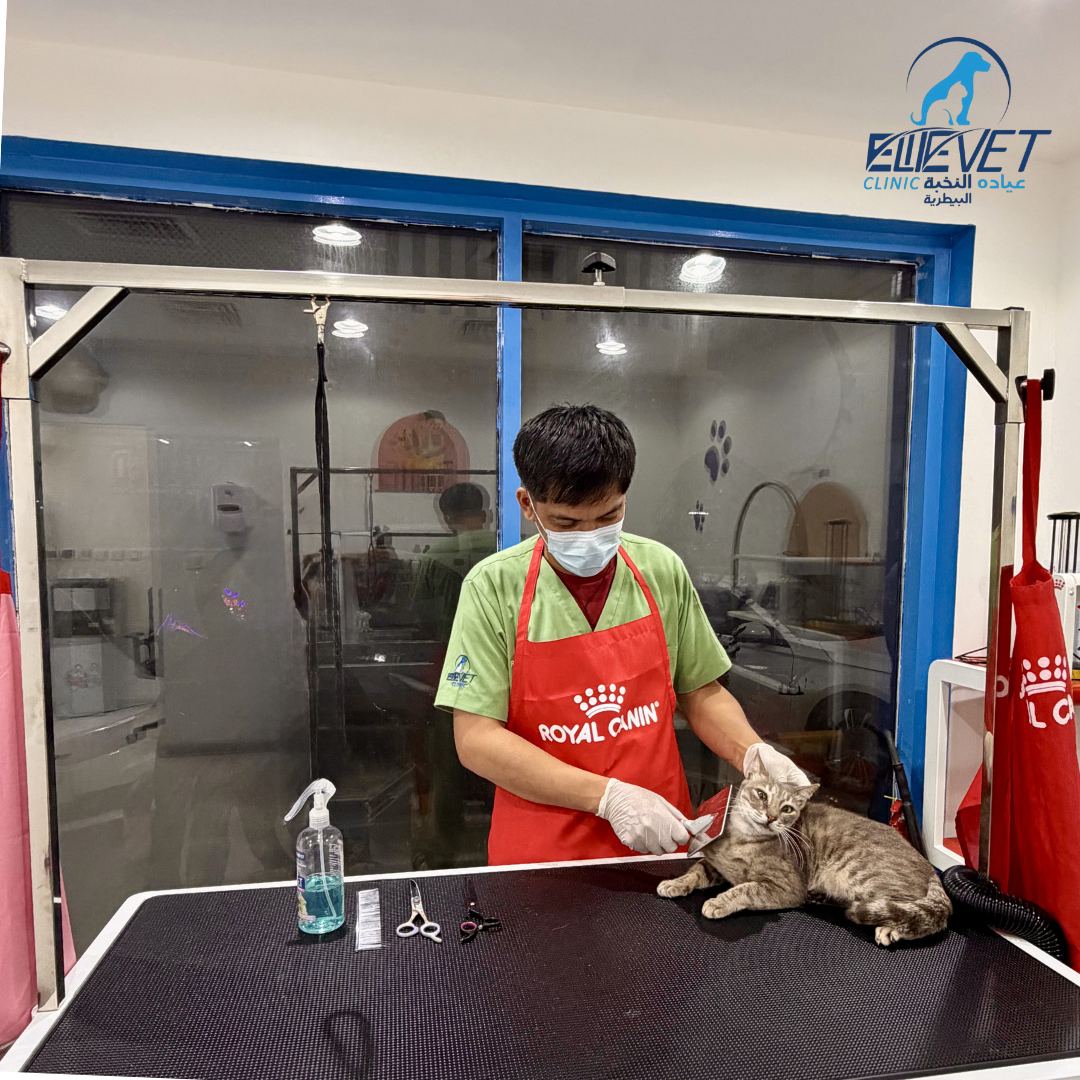
Once you’ve settled in, book a checkup with a local vet for dog and cat within the first week or two. This isn’t just a formality it’s your chance to have a UAE-based vet review your pet’s full vaccination history, confirm everything transferred correctly, and flag anything that needs updating on a local schedule. It’s also the right time to discuss ongoing wellness exams, since preventive care schedules can differ slightly by country, and your vet here will want a baseline record of your pet’s health going forward. If you’re planning to use boarding while you finish moving logistics, most facilities will also want proof of current vaccinations on file, so this visit conveniently covers both needs at once.
Common Mistakes That Delay Pet Relocation
- Starting the process less than 6–8 weeks before travel
- Vaccinating for Rabies without leaving the full 21-day gap before flying
- Using a microchip that isn’t ISO-compliant
- Booking flights before confirming the airline’s specific pet policy and cargo/cabin restrictions
- Not checking whether a titer test applies to your country of origin
- Assuming home-country paperwork automatically satisfies UAE requirements without review
Frequently Asked Questions
How far in advance should I start the pet import process?
Ideally 2–3 months before your move, given the mandatory 21-day Rabies waiting period and potential titer test timelines.
Can any breed of dog or cat be brought into the UAE?
Certain breeds classified as dangerous or banned are restricted from import check current MOCCAE guidance for your specific breed before finalizing travel plans.
Do I need a titer test for every country?
No, it depends on your country of origin’s rabies status as classified by UAE authorities. Some countries are exempt; others require it.
Is quarantine required for pets entering the UAE?
Not typically, provided all paperwork, vaccinations, and timelines are correctly completed in advance this is exactly why accurate preparation matters so much.
What should I do first after landing with my pet in Sharjah?
Book a local vet checkup within the first one to two weeks to review your pet’s records and get them onto a local wellness schedule.
Can my vet at home help with UAE-specific paperwork?
They can administer vaccines and complete the health certificate, but it’s worth confirming their documentation meets UAE format requirements, since formatting errors are a common cause of delays.
Planning a Move to Sharjah With Your Pet?
Whether you need your pet’s first UAE checkup, a review of vaccination records brought from abroad, or advice on getting your paperwork right before you fly, our team can help. Book an appointment for your pet’s first Sharjah visit, or contact us with questions before you travel.