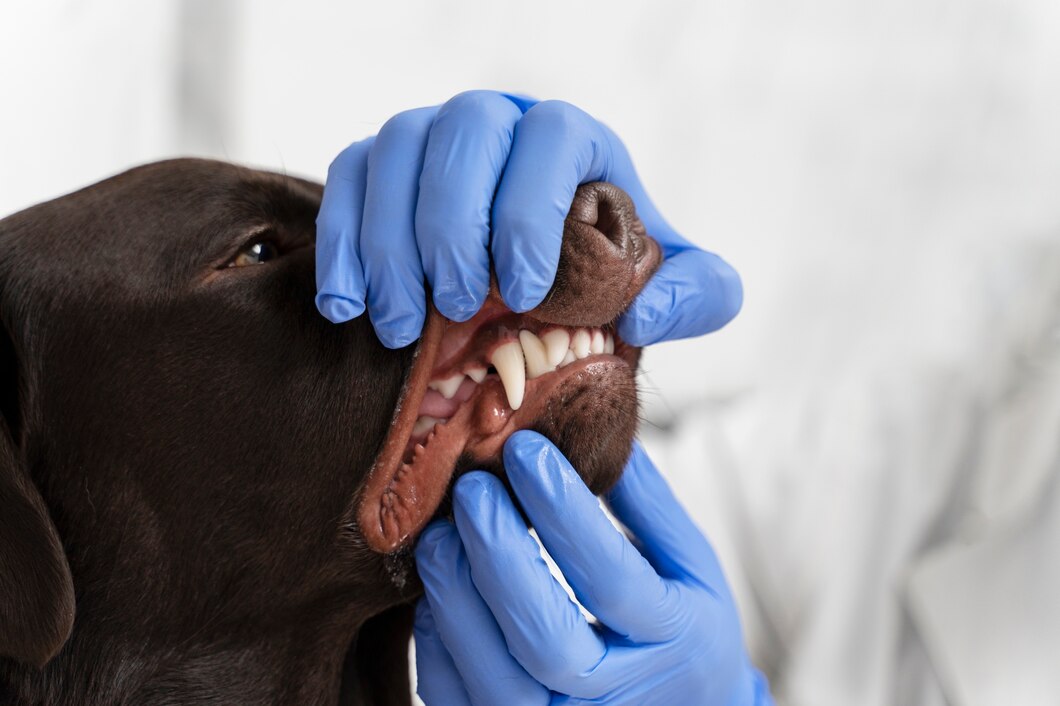
Most pet owners think of bad breath as just one of those things that comes with having a dog or cat, something you get used to and work around with a chew toy or a breath spray. I understand why, it feels harmless. But bad breath is very often the first visible sign of dental disease, and dental disease is one of the most underdiagnosed health problems in pets, mostly because it develops slowly and the symptoms get written off as normal. By the time most owners bring their pet in specifically for a dental concern, the disease has usually progressed well past the early stage, sometimes to the point where teeth need to be removed rather than saved. What makes this frustrating is that dental disease is almost entirely preventable and very treatable when caught early. It is also not just about the mouth. Untreated dental infections can spread bacteria into the bloodstream and affect the heart, kidneys, and liver over time, which is part of why vets take it far more seriously than most pet owners expect. In this post I want to walk through exactly what early dental disease looks like, why cats and dogs hide pain so well that owners often miss it entirely, and what a realistic prevention routine looks like at home between professional cleanings. If your pet has never had a dental check, or it has been a while, this is worth reading before it becomes a bigger problem than it needs to be.
Why Pets Hide Dental Pain So Well
This is the part that surprises most owners. Cats and dogs are wired, instinctively, to hide pain and weakness, a trait left over from their wild ancestors where showing vulnerability made them a target. This means a pet with a genuinely painful mouth full of infected teeth might still eat normally, still play, still seem completely fine day to day. Owners often assume that if their pet is eating and acting normal, their teeth must be fine, but this assumption is one of the main reasons dental disease goes unnoticed for so long. The mouth can be in real trouble while the rest of the pet’s behavior gives almost no clue.
Early Signs Worth Paying Attention To
- Persistent bad breath that does not improve with dental chews or brushing
- Yellow or brown buildup along the gumline, especially on the back teeth
- Red, swollen, or bleeding gums, sometimes noticeable when you touch the mouth or during play
- Slight hesitation when eating hard food or treats, even if they still finish the bowl
- Pawing at the mouth or face more than usual
- Excessive drooling, or drooling that looks different than normal
- Visible tartar buildup that looks like a hard, crusty coating on the teeth
Any one of these alone might not mean much, but a combination of two or more is a good reason to book a checkup rather than wait and see.
Advanced Signs That Mean Do Not Wait
- Loose or missing teeth
- Visible pus or a foul smell coming directly from the mouth
- Complete refusal to eat, or only eating on one side of the mouth
- Noticeable weight loss over a short period
- Facial swelling, particularly under the eye, which can indicate a tooth root abscess
If you are seeing any of these, it is worth having your pet seen soon rather than scheduling around convenience, since advanced dental infections can become quite painful and, in some cases, urgent.
Why Dental Disease Is So Common in the UAE
There is nothing unique about UAE pets that makes them more prone to dental disease biologically, but a few local factors make it easy to miss. Many pets here eat a mix of dry kibble and softer wet food or treats, and softer diets tend to allow plaque to build up faster than a diet built around crunchier textures. On top of that, home dental care routines like daily brushing are less common here than in some other countries, partly because it is genuinely a hard habit to build with a resistant pet. The result is that a lot of dental disease here is caught later than it ideally should be, simply because it was never part of a regular routine to check for it.
What a Dental Check Actually Involves
A proper dental evaluation goes beyond a quick glance at the front teeth. It includes checking the gumline, the back molars where buildup tends to hide, gum color and swelling, and whether there is any looseness or sensitivity. This is usually part of a broader vet for dog and cat checkup, though if you have already noticed specific dental symptoms, it is worth mentioning them directly when booking so the visit can focus on that. In some cases, a full dental cleaning under anesthesia is recommended, which allows for a thorough clean below the gumline and an accurate look at each tooth, something that simply is not possible with a pet that is awake and moving.
Building a Home Dental Routine
Prevention does not need to be complicated, it just needs to be consistent. Brushing a few times a week with a pet safe toothpaste is the gold standard, though I know that is not realistic for every pet or every owner. Dental chews, water additives, and dental specific diets can all help reduce buildup between cleanings, even if they are not a full replacement for brushing. The goal is not perfection, it is consistency over time, since even a partial routine done regularly makes a real difference compared to doing nothing at all.
Making Dental Checks Part of Routine Care
The easiest way to stay ahead of dental disease is to fold it into checkups you are already doing, rather than treating it as a separate appointment you need to remember on your own. Bringing it up during a wellness exam means it gets checked consistently, and any early changes get caught before they turn into a bigger problem or a more involved procedure down the line.
Frequently Asked Questions
At what age should I start worrying about my pet’s dental health?
Dental disease can start developing as early as two to three years old in some pets, so it is worth having their teeth checked well before you notice any obvious symptoms, not after.
Is bad breath always a sign of dental disease?
Not always, but persistent bad breath that does not improve with basic home care is one of the most common early indicators and should not be ignored.
Can dry food alone prevent dental disease?
It can help somewhat compared to an entirely soft diet, but it is not a complete solution on its own. Brushing and regular checks still matter even with a dry food diet.
Is anesthesia safe for a dental cleaning in older pets?
Modern anesthesia protocols include pre-procedure bloodwork and monitoring specifically to make this safe for senior pets, and the risk of leaving severe dental disease untreated is usually greater than the anesthesia risk itself.
How can I tell if my cat has dental pain, since cats hide it so well?
Watch for subtle changes like eating more slowly, dropping food while chewing, favoring one side of the mouth, or a slight decrease in appetite, since these are often the only visible clues in cats.
How often should professional dental cleanings happen?
This varies by pet, but many benefit from a professional cleaning every one to two years, with more frequent checks for breeds prone to dental issues like small dogs and brachycephalic breeds.
Book a Dental Check for Your Pet
If it has been a while since your pet’s teeth were properly checked, or you have noticed any of the signs above, do not wait for it to become painful or advanced. Book an appointment with our team, or contact us if you want to talk through your pet’s symptoms first.